Sewer Stories

Sewage Systems: What They Are & Why They’re Important for Cities

sewage systems

Have you ever wondered what happens when things go down the drain? Sewage systems were a normal addition to the rise of cities, going back almost 5,000 years. But people only tend to know the smelly running water side of these systems. So today, we’ll tell you more about the basics of sewage systems — from the different kinds seen in cities and why they’re important.
What Is Sewage: Everything You Need to Know

sewage

Sewage is the general term describing raw sewage and septic tank waste. They can come in the form of wastewater consisting of urine and feces. There's also industrial wastewater and remains like sanitary towels, condoms, and plastics. Excrement is one of the biggest sources of harmful microorganisms, such as bacteria, viruses, and parasites.

What Is an Onsite Sewage Facility: The Ultimate Guide

sewage

Onsite wastewater treatment systems are typically referred to as septic systems, comprising septic tanks for partial treatment. The main objective of onsite sewage facilities is to release treated wastewater into the environment. An onsite sewage facility is a small-scale sewage treatment plant situated in backyards.

Sewage Treatment: Everything You Need to Know

sewage treatment

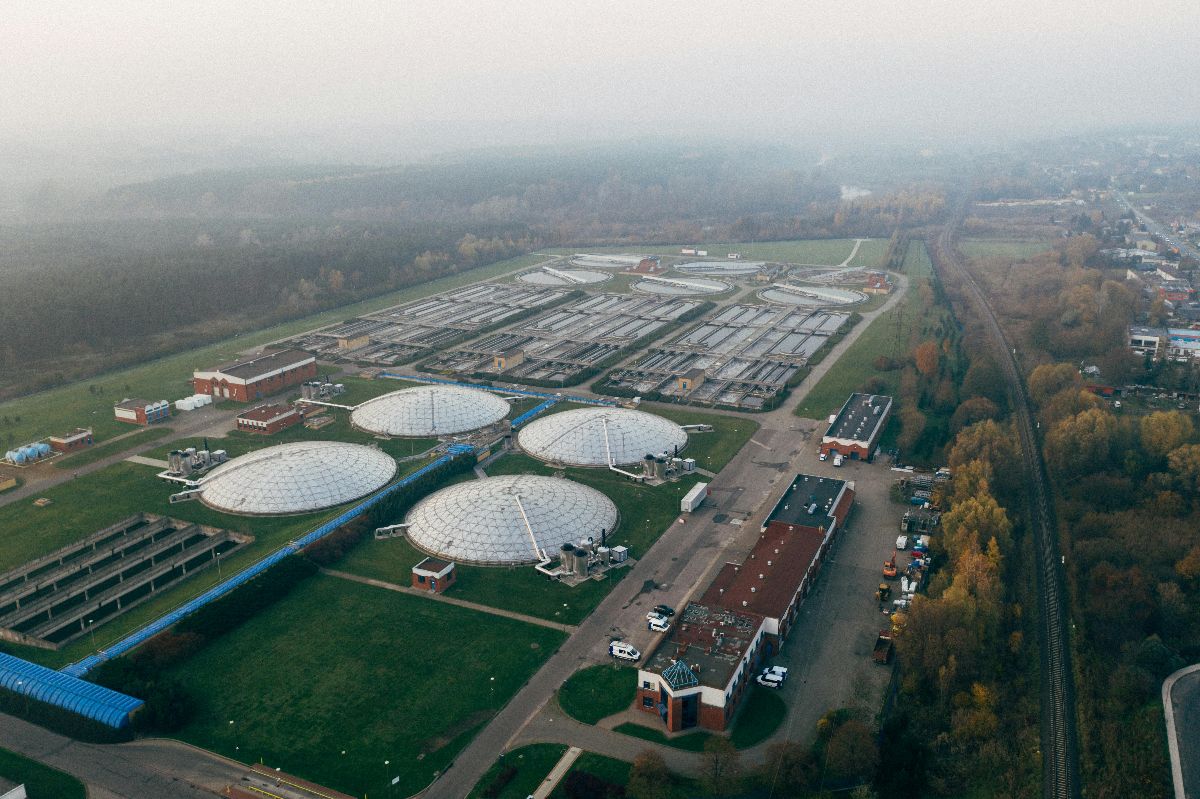
We introduce pollutants and contamination to our environment whenever we use water. Even if nature has its way of coping with these pollutants, it can still get overwhelming. That's where sewage treatment comes in. Here's everything you need to know about sewage treatment plants and their processes.